


contact update
2025-10-23T03:31:46  read more
 read more
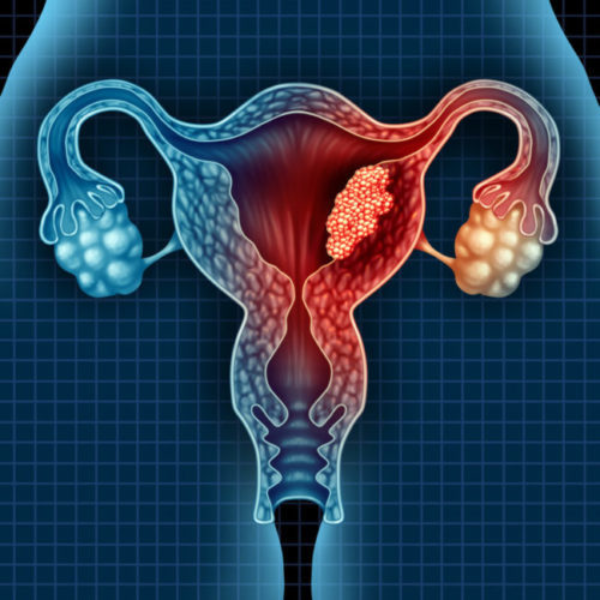

Uterine Cancer (Endometrial Cancer) What is Uterine Cancer? Uterine cancer begins in the uterus (womb). The most common type is endometrial cancer, which starts in the lining of the uterus (the endometrium). It is one of the most common gynecological cancers, especially after menopause. --- Who is at Risk Risk factors include: * Age (most common after 50 years) * Obesity * Diabetes and high blood pressure * Never having been pregnant * Early periods (before age 12) or late menopause (after 55) * Hormone therapy with estrogen alone (without progesterone) * Family history of uterine, ovarian, or colon cancer --- Signs and Symptoms Abnormal vaginal bleeding (most common sign) – After menopause – Between periods – Very heavy periods * Watery or bloody vaginal discharge * Pelvic pain or pressure * Pain during intercourse --- Diagnosis If uterine cancer is suspected, tests may include: Pelvic exam Ultrasound (often transvaginal) Endometrial biopsy (small tissue sample from uterus lining) Hysteroscopy (camera inside the uterus) Imaging (CT/MRI) if needed --- Treatment Options Treatment depends on stage and health status. Common options: Surgery: Hysterectomy (removal of uterus, sometimes with ovaries and fallopian tubes) is the main treatment. Radiation therapy: To kill remaining cancer cells or shrink tumor. Hormone therapy: For cancers sensitive to hormones. Chemotherapy: Used if cancer is advanced or has spread. Targeted therapy / Immunotherapy: For specific advanced cases. Prognosis If detected early, uterine cancer is highly treatable. Most women diagnosed at an early stage survive and live healthy lives after treatment. Prevention & Awareness * Maintain a healthy weight * Stay physically active * Control diabetes and blood pressure * Report any abnormal bleeding immediately * Regular gynecological check-ups after menopause ---
read more  read more
 We hate spam too.


