


Uterine Cancer (Endometrial Cancer)
What is Uterine Cancer?
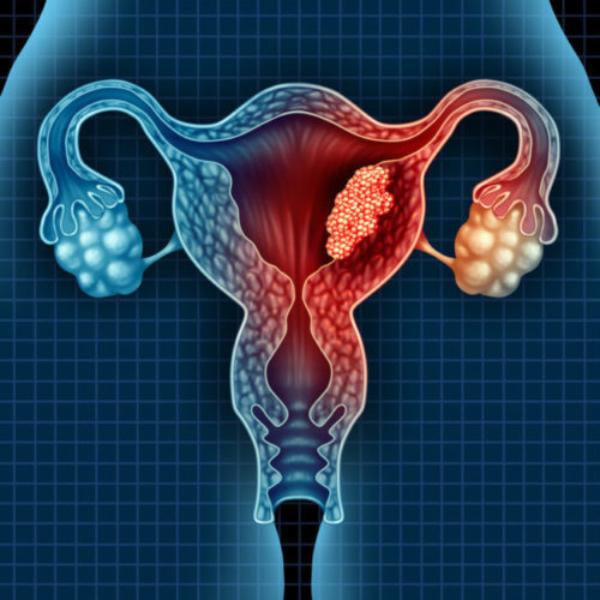
Uterine cancer begins in the uterus (w...
2026-04-30T13:46:42  read more
 read more


DR PRACHI THAKAR GYNEC ONCO ( MD, DGO, CPS, DNB) FELLOW -IEO , MILAN FELLOW - TATA MEMORIAL # CERVICAL CANCER #CERVICAL CANCER VACCINE SUN CANCER HOSPITAL BORIVALI , MUMBAI 7506868702 Cervical cancer is a type of cancer that occurs in the cells of the cervix, which is the lower part of the uterus that connects to the vagina. Most cervical cancers are caused by the human papillomavirus (HPV), a sexually transmitted infection. Here is some important information about cervical cancer: 1. Risk Factors: - HPV Infection:The most common cause of cervical cancer is infection with high-risk strains of HPV. -Smoking: Women who smoke are at a higher risk of developing cervical cancer. - Weakened Immune System: Individuals with weakened immune systems, such as those with HIV/AIDS, are more susceptible. - Long-term Use of Birth Control Pills: Some studies suggest a link between long-term use of oral contraceptives and an increased risk. - Multiple Pregnancies: Having many full-term pregnancies, especially in your teens, may increase the risk. 2. Prevention: - HPV Vaccination:Getting vaccinated against HPV is a crucial preventive measure, typically given during adolescence. - Regular Pap Smears:Screening with Pap smears or HPV tests can detect abnormal changes in the cervix early on. - Safe Sex Practices: Using condoms consistently and correctly can reduce the risk of HPV transmission. 3. Symptoms: - Early stages may not cause symptoms. - Abnormal Vaginal Bleeding: This includes bleeding between periods, after sex, or after menopause. - Pelvic Pain: Pain during sexual intercourse or pelvic pain may occur in later stages. 4. Diagnosis: - Pap Smear: A routine Pap smear is often the first step in detecting abnormal cervical cells. - HPV Testing: Testing for the presence of high-risk HPV strains. - Colposcopy: Further examination using a colposcope if abnormalities are detected. 5. Staging: - Staging determines the extent of cancer spread and helps plan treatment. - Stages range from 0 (in situ, confined to the surface) to IV (spread to distant organs). 6. Treatment: - Surgery: Removal of the cancerous tissue or the entire uterus. - Radiation Therapy:Using high-energy rays to kill cancer cells. - Chemotherapy: Using drugs to kill cancer cells or stop their growth. 7. Prognosis: - Early detection and treatment increase the chances of a favorable outcome. - The prognosis depends on the stage at diagnosis and the individual's overall health. 8. Follow-Up Care: - Regular check-ups are important to monitor for any recurrence or new developments. - Lifestyle changes, including smoking cessation and maintaining a healthy lifestyle, are often recommended. It's crucial to consult with healthcare professionals for personalized information and guidance regarding cervical cancer. Regular screenings and vaccinations are essential components of cervical cancer prevention.
 read more
 We hate spam too.


