


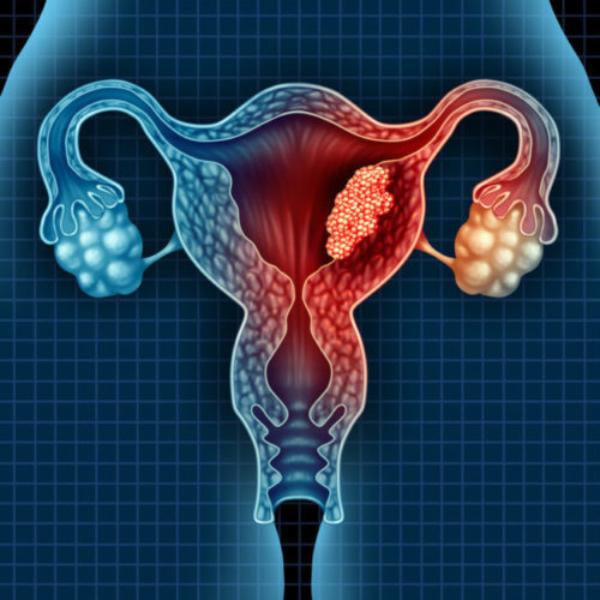
Uterine Cancer (Endometrial Cancer)
What is Uterine Cancer?
Uterine cancer begins in the uterus (w...
2026-04-30T13:46:42  read more
 read more
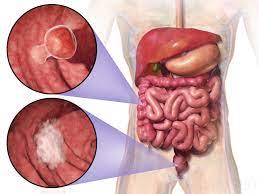

COLON CANCER PATIENT INFORMATION DR K.D. THAKAR MS , M.ch ( cancer surgeon ) fellow strassbourg fellow MUW, austria sun cancer hospital , mumbai , india Colon cancer, also known as colorectal cancer, is cancer that originates in the colon or rectum. It's one of the most common types of cancer. Here are some key points to be aware of: Causes and Risk Factors: Age: The risk of colon cancer increases with age. Family history of colon cancer or polyps. Personal history of inflammatory bowel disease (such as Crohn's disease or ulcerative colitis). Genetic syndromes that increase the risk of colon cancer, such as Lynch syndrome or familial adenomatous polyposis (FAP). Lifestyle factors: Diets high in red and processed meats, low in fiber, and lacking in fruits and vegetables. Sedentary lifestyle, obesity, and heavy alcohol consumption. Symptoms: Changes in bowel habits, such as diarrhea, constipation, or changes in stool consistency. Blood in the stool or rectal bleeding. Abdominal discomfort, cramps, or pain. Unexplained weight loss. Fatigue and weakness. Iron deficiency anemia. Diagnosis: Colonoscopy: A procedure to visualize the inside of the colon and rectum. Polyps or suspicious areas can be biopsied. Imaging tests such as CT scans, MRI, or PET scans to determine the extent of the cancer's spread (staging). Staging: Staging helps determine the extent of cancer and guide treatment decisions. Stages range from 0 (early) to IV (advanced) based on tumor size, lymph node involvement, and spread to distant organs. Treatment: Treatment depends on the stage and type of cancer, as well as the patient's overall health. Surgery is often the primary treatment to remove the cancerous tissue. Chemotherapy, radiation therapy, targeted therapy, and immunotherapy may be used depending on the stage and type of cancer. Prognosis: Prognosis varies based on the stage at diagnosis and treatment effectiveness. Early detection and treatment can lead to better outcomes. Prevention: Regular screenings, especially after the age of 50 (or earlier if there's a family history). Maintain a healthy diet rich in fruits, vegetables, and whole grains. Exercise regularly and maintain a healthy weight. Avoid smoking and limit alcohol consumption.
 read more
 We hate spam too.


